- Subject
- Company
- Filed
- 28 Apr 2026
- Reading
- 4 min read
- Written by
- Compositer engineering team
300,000 km underground: composite pipe at planetary scale
Seven laps around the Earth, corrosion-proof, laid without a single weld. What a decade of thermoplastic composite pipe in energy infrastructure teaches us about durability claims.
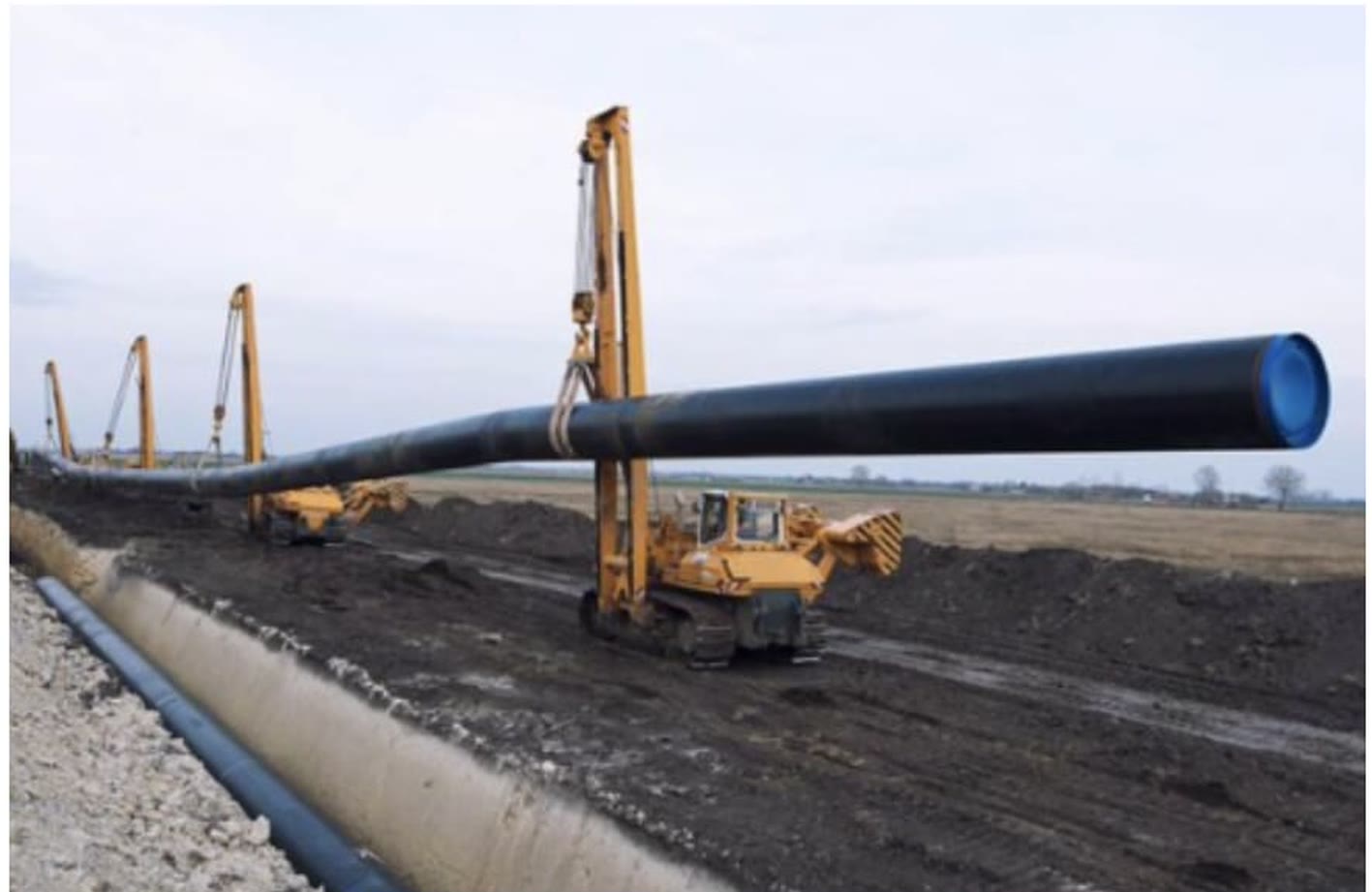
Three hundred thousand kilometres. Laid end to end, our thermoplastic composite pipe would circle the Earth more than seven times, and every metre of it is still in service across energy and chemical infrastructure.
Why infrastructure chose composite
Buried steel pipe is a maintenance annuity: it corrodes, it scales, it demands cathodic protection and eventual replacement. Thermoplastic composite pipe is corrosion-proof by chemistry, a fraction of the weight to transport and install, and laid in long continuous runs with no welding along the way.
The most expensive kilometre of pipe is the one you have to dig up twice.
What a decade underground proves
Durability claims are cheap in year one. A decade of continuous service, through thermal cycling, soil movement, and chemical exposure, is the dataset behind every reliability statement we make about Li:ma laminates in battery packs and underbody shields. The underground fleet is the long-duration test the automotive programs inherited.
The same material logic now runs through hydrogen pipe development with chemical-industry partners. Different pressure, same proof: thermoplastic composites are not the experimental option anymore. They are the boring, reliable one.
Comments (0)
DEMO MODE: COMMENTS ARE STORED IN YOUR BROWSER ONLY.
No comments yet
Nothing is seeded here. This thread starts empty on every post, and anything you write stays on this device, visible only to you, until a real backend exists behind it.