EP
Engineering Plastic Composite
TRL 9 · Mass productionThe foundation line: interior trim and base parts, proven in volume.
칠하지 않고, 빚는다
Colour, structure and rigidity are formed together inside one mould. That deletes the paint shop from the process entirely: the largest single consumer of energy, carbon and capital in a vehicle plant.
Fig. 01 Section through a finished paint-free panel. Layers not to scale.
0%
Paint and oven, as a share of total plant energyPress ≈ 8% · Assembly ≈ 8%0.0kg
Composite bonnet, against 7.6 kg in steelIncluding reinforcementCF 85-90
Combine Factor, Class-A without paint0★
Euro NCAP pedestrian head protectionKia PV5 bonnetEvery body panel on the road is the output of four plants: press, body, paint, assembly. The third one is the problem, and it is the one nobody could remove, because a Class-A exterior had to be sprayed.
Four plants, in series
Press, weld, paint, assemble
The default since the 1920s.
One cell, in one shot
Form, spray structure, press
In Korean mass production since 2021.
Why the coating has to go on after forming — and what cracked before NEXKIN solved it — is the technology page’s story.
A co-extruded sheet already carrying its colour is thermoformed to the tool, long glass fibre and PU are sprayed directly behind the skin, and one press step finishes the part.
Multi-layer sheet
Co-extruded PMMA / ABS over a structural core. The colour is already in the sheet.
Vacuum thermoforming
The skin is drawn onto the tool. Class-A gloss survives the forming step intact.
Long-fibre injection
Glass fibre 12.5-100 mm and PU sprayed directly behind the formed skin.
Press, foam and out
One press step raises the section, sets stiffness and integrates the hardware.
What used to be four separate stamping, welding and paint stages collapses into a single forming cell. The paint line, a vehicle plant’s single largest energy sink, disappears entirely.
The cars that were never built are the ones below the volume threshold. Move the marker to your programme volume.
Paint-free forming pays back, steel does not
Paint-free LFI composite is economical from 40,000-60,000 units a year. Steel press and paint needs at least 100,000 to recover its tooling and paint-shop fixed cost. This band is the market the process opens.
Curve shape is indicative. The crossover volumes are programme data: 40,000-60,000 for paint-free forming, 100,000 for steel press and paint, 200,000-300,000 for aluminium and injection.
Engineering Plastic Composite
TRL 9 · Mass productionThe foundation line: interior trim and base parts, proven in volume.
Large-Format Structural Composite
TRL 9 · Mass productionUD-Tape and honeycomb-core laminates for battery covers, underbody shields and FEM carriers.
Paint-Free Exterior Skin
TRL 3 · Growth engineMulti-layer co-extruded, in-line hard-coated colour sheet, thermoformed and structurally integrated in one shot. No paint shop required.
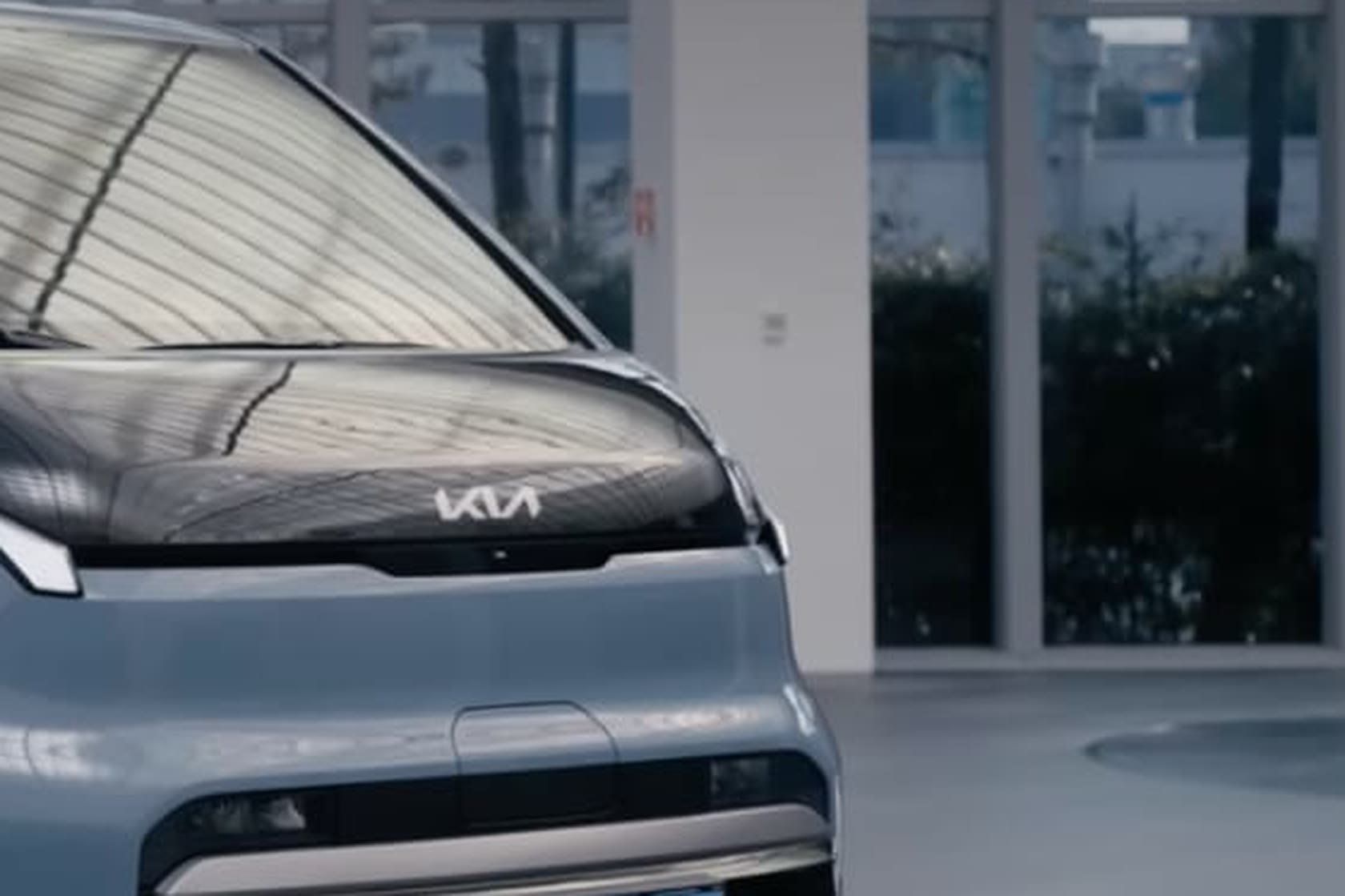
The Kia PV5’s paint-free high-gloss bonnet is the receipt: a smaller hood that earns a Euro NCAP 4-star pedestrian rating where the steel one could not, at 5.2 kg against 7.6 kg, with the paint shop out of the loop. Durability is verified under the conditions that kill paint.
See the NEXKIN technology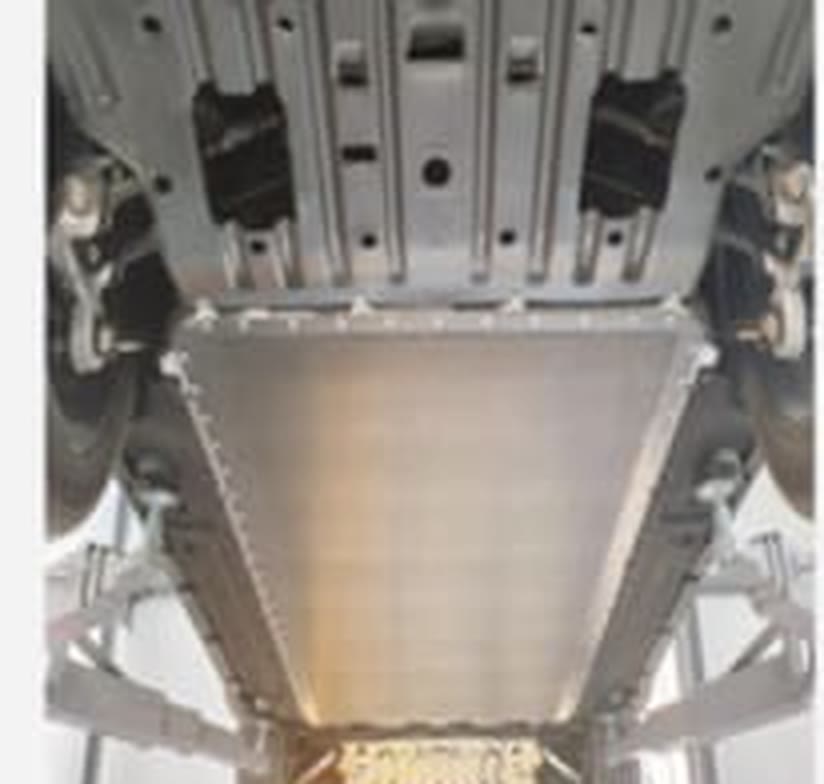
0.15mm
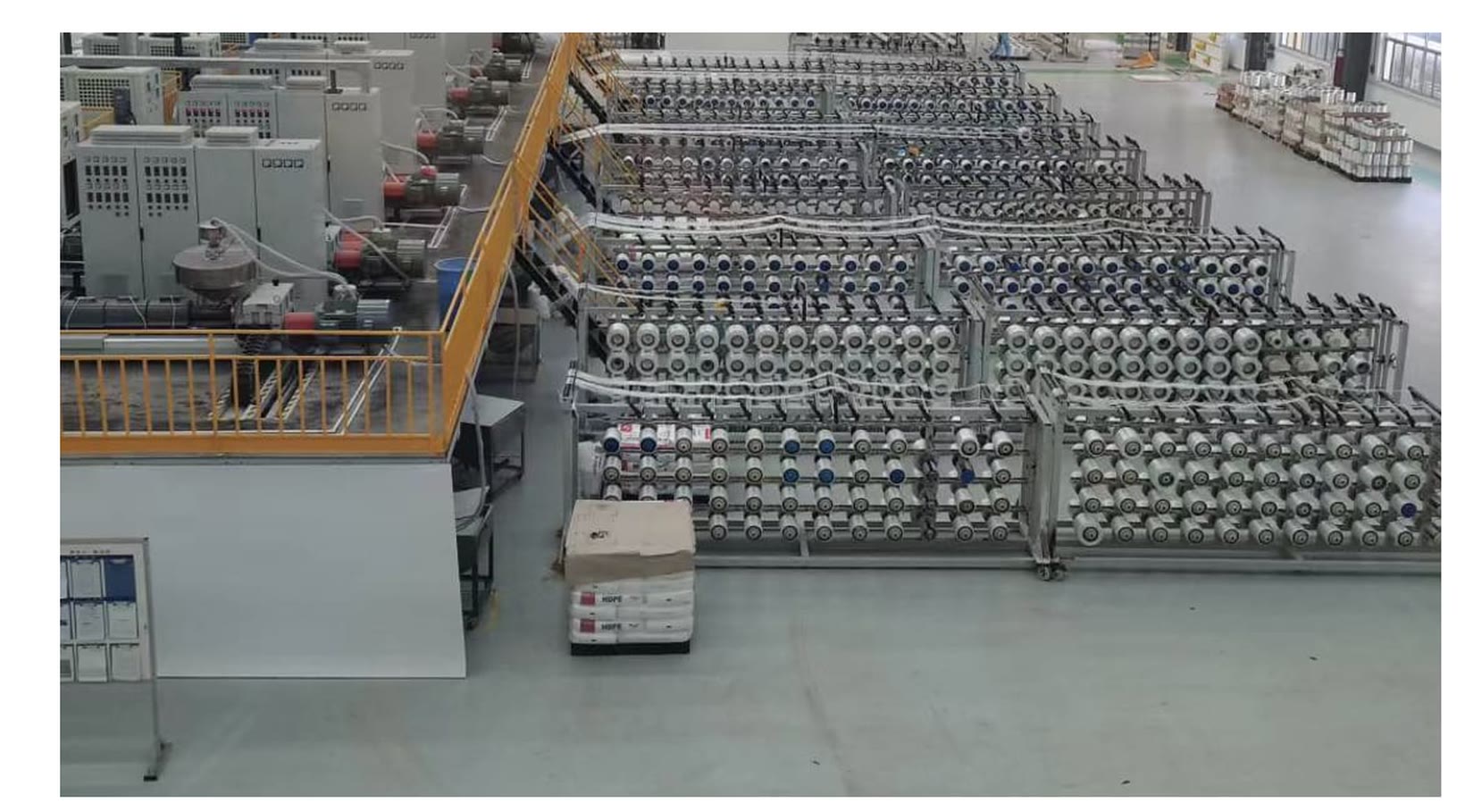
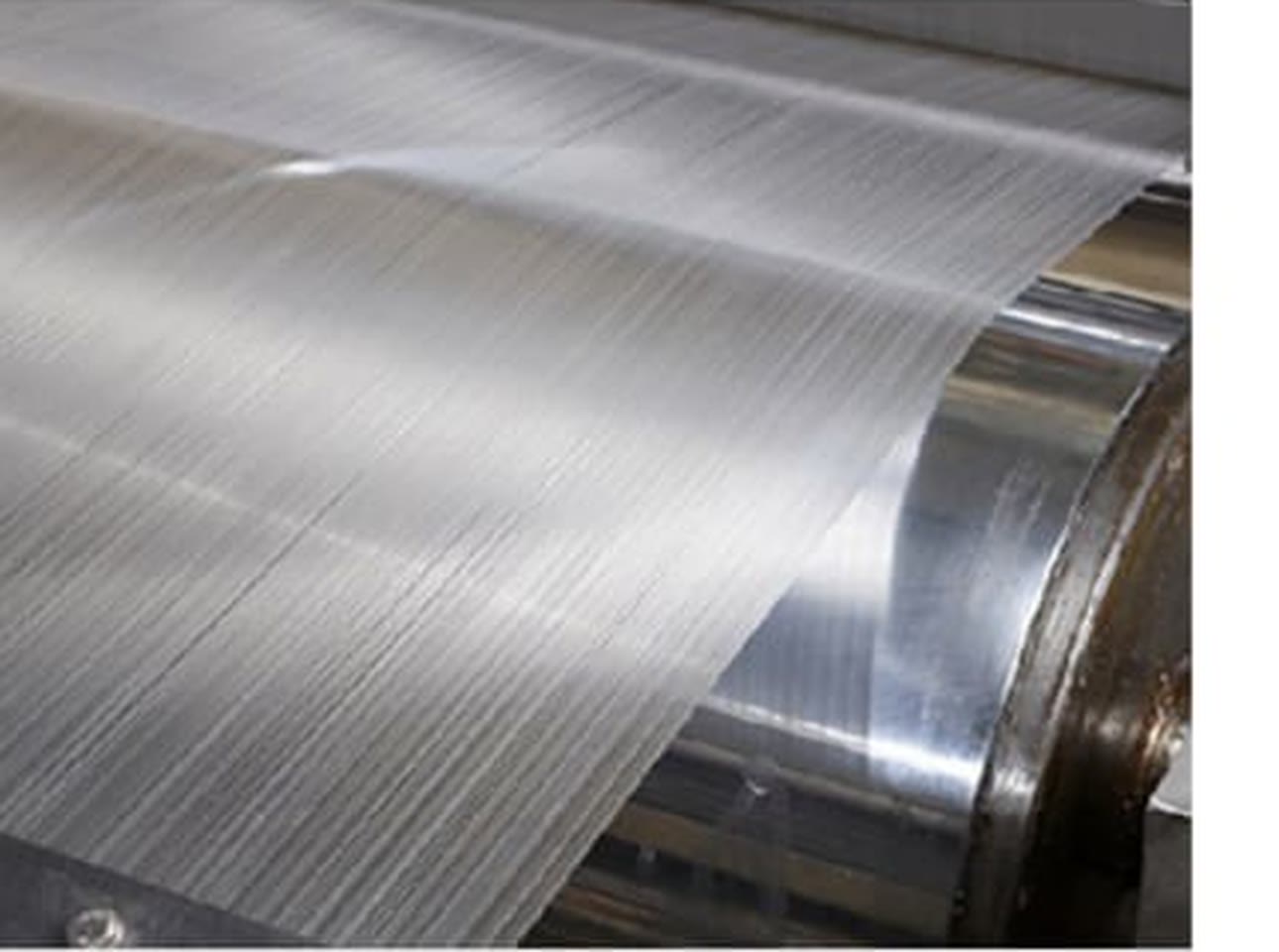
Continuous ultra-thin unidirectional tapeFibre-dispersion technology1,500mm
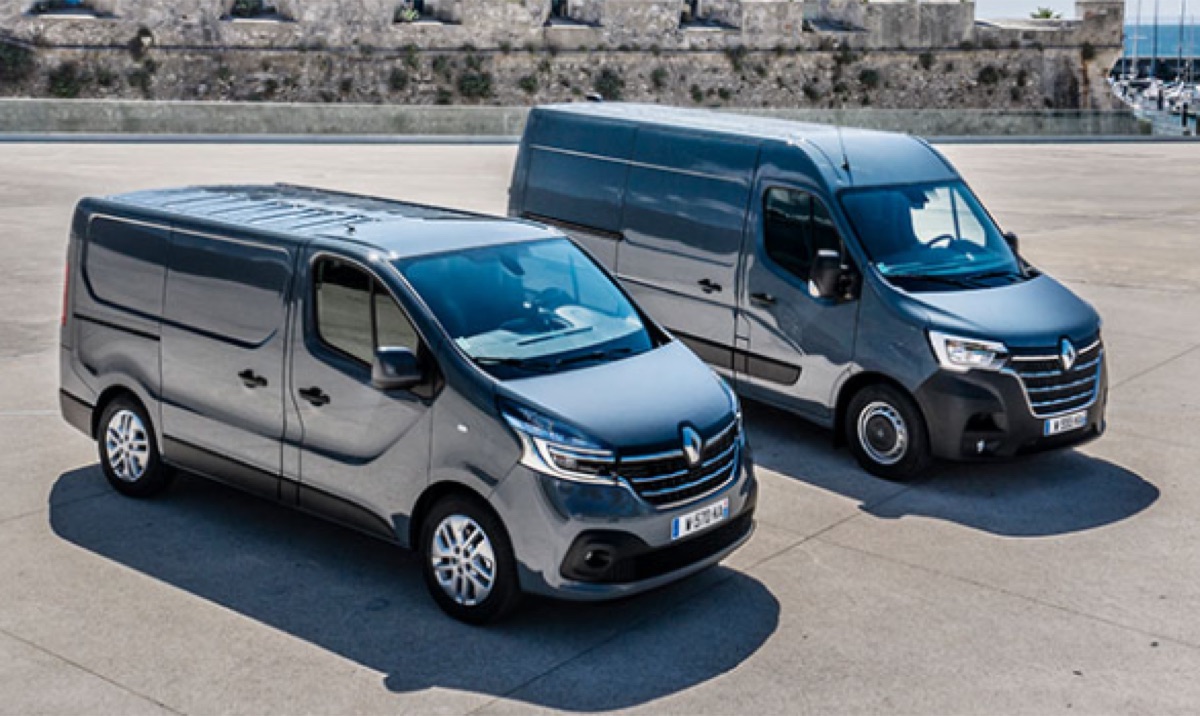
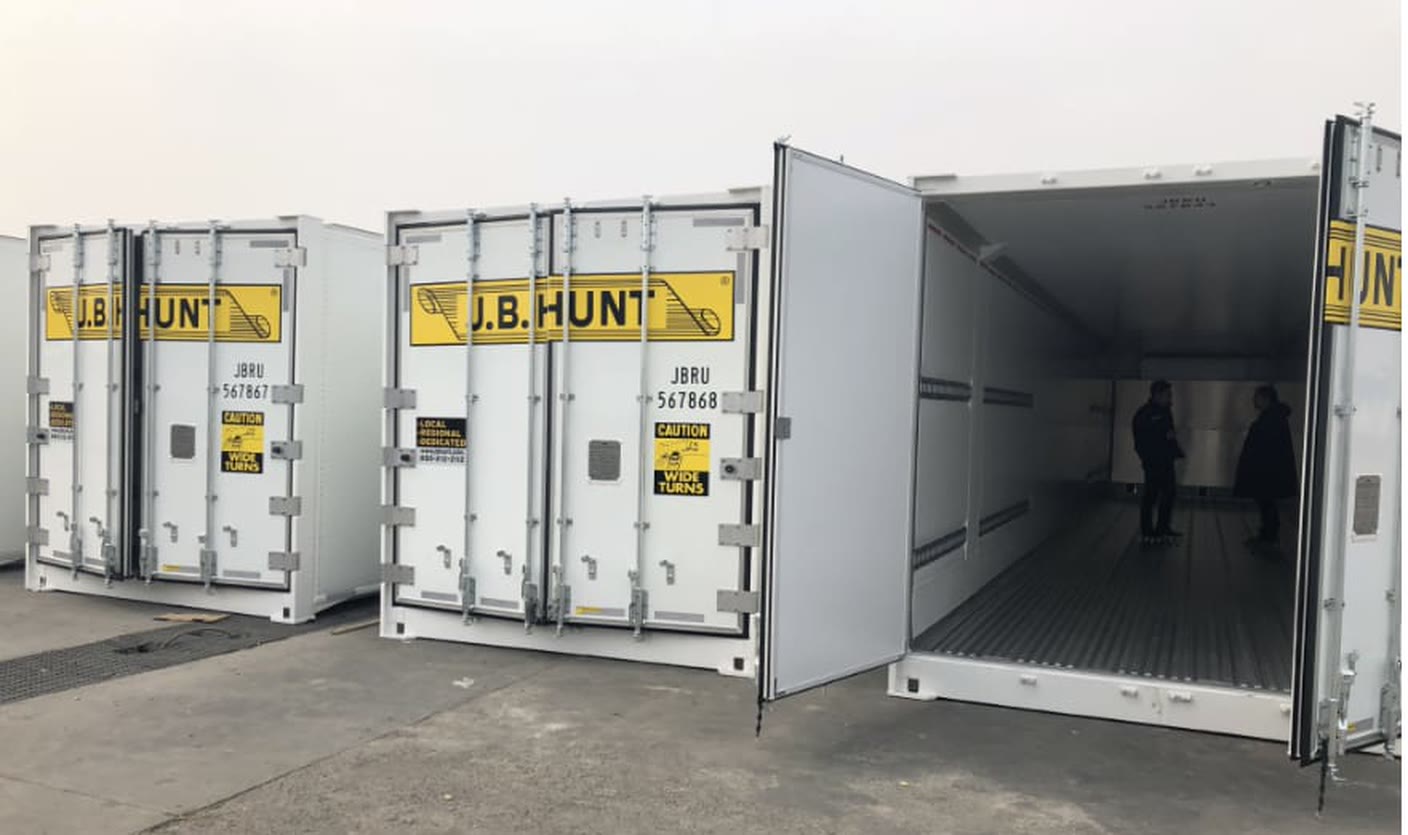
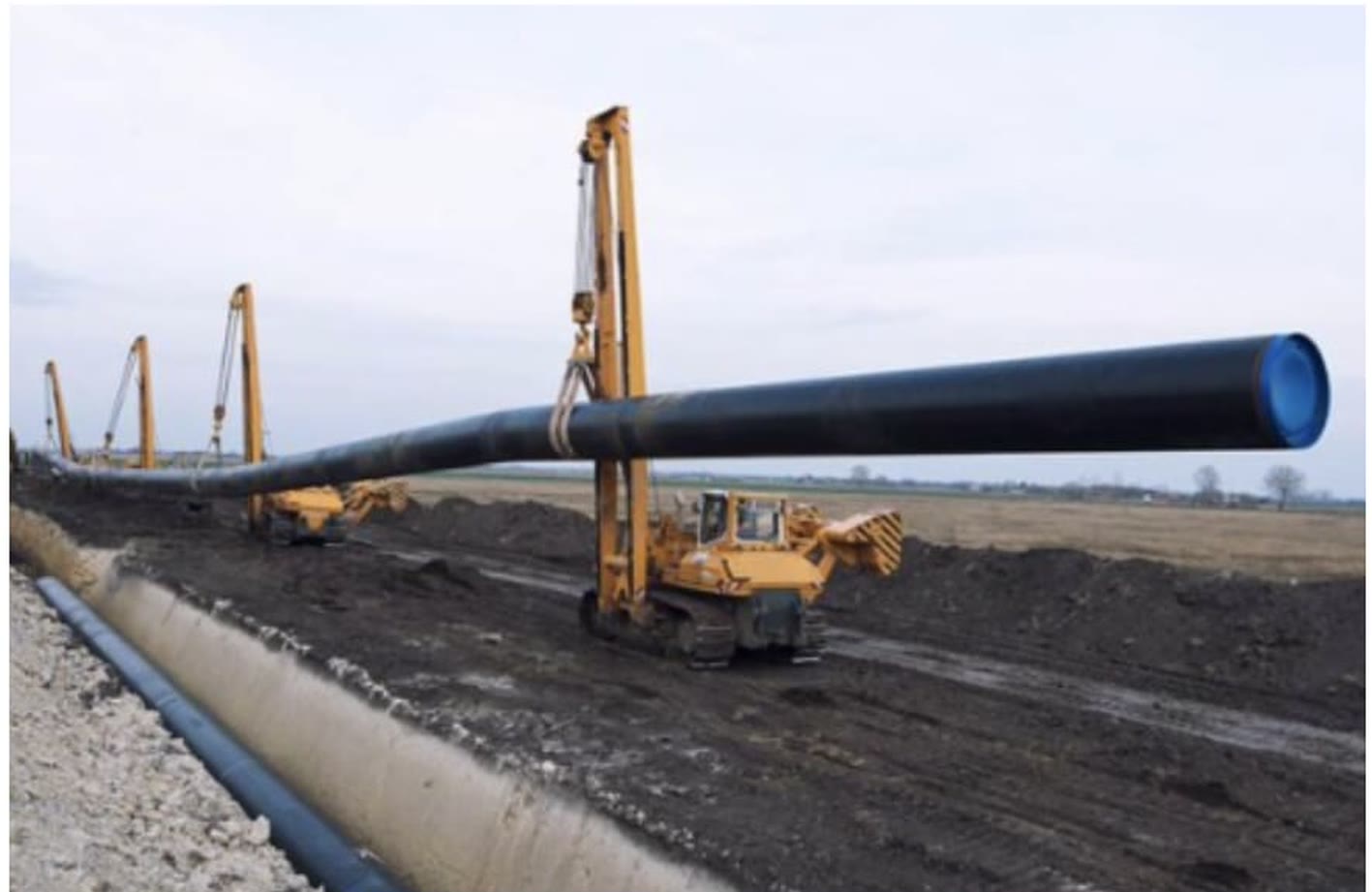
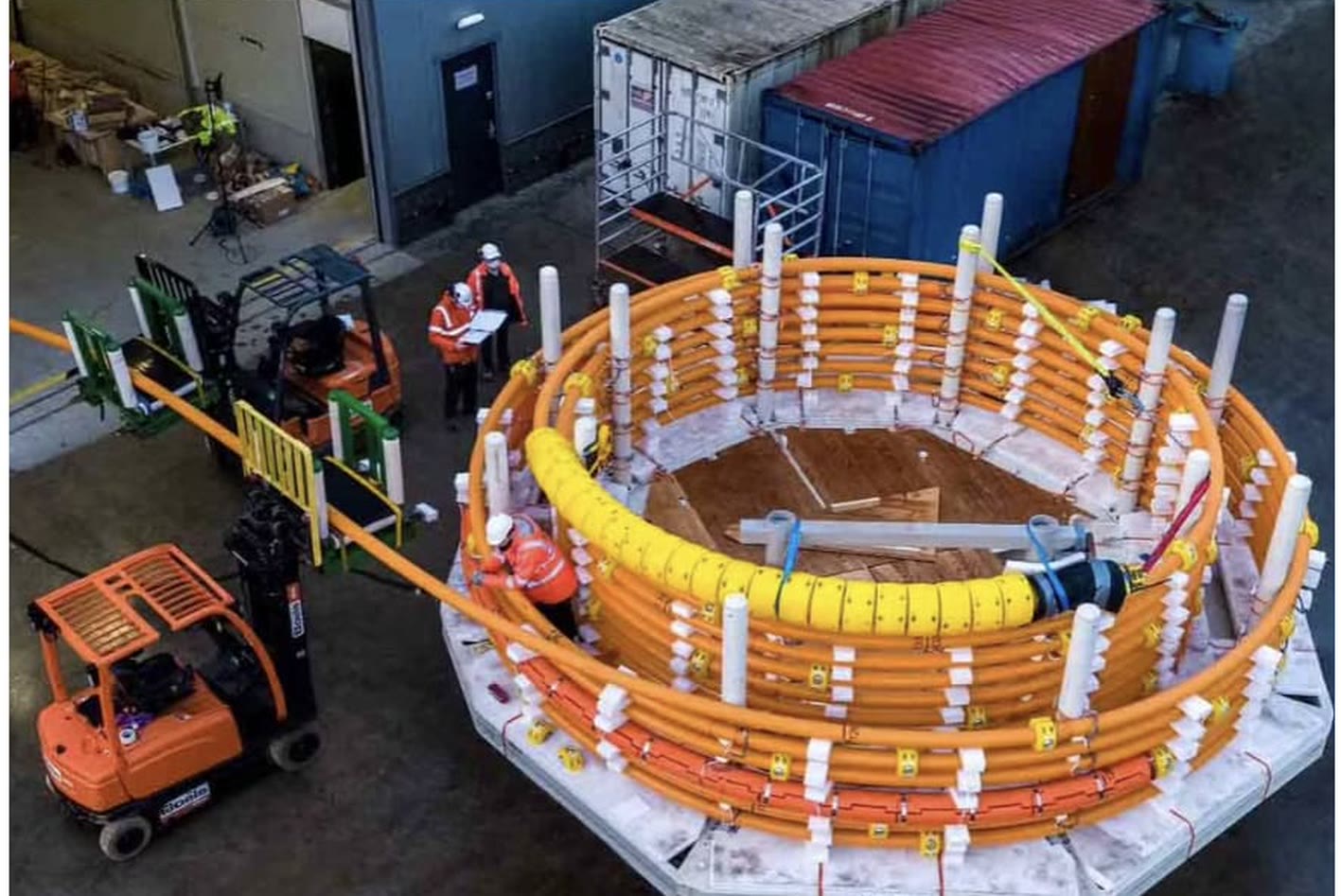
Co-extruded PMMA / ABS colour sheet, web widthThe skin every paint-free panel starts asThe deployed scale — the pipe in the ground, the containers on the rail — is documented on the applications page, and the inline vision inspection behind these figures on the technology page.
EP and Li:ma are in mass production and funding the work. NEXKIN is the growth engine, and the exterior is the largest surface steel still owns.
+132.9%
Revenue growth, 2025Second consecutive profitable year · Li:ma alone +134% in 20242021
First mass production: Li:ma back beam enters the Hyundai pipeline
2023
PV5 paint-free bonnet in production
2024-25
Li:ma battery covers at full revenue scale, revenue +134% YoY
2026 →Now
Series A, OEM qualification, NEXKIN mass-production line build-out
The configurator returns a simulated comparison against painted steel in the browser, then hands off to our engineering team as a structured RFQ. For programme, investment or press enquiries, talk to the team directly.